Africa and the G20: Reimagining Global Governance Through African Priorities
By Hope Chifulo | IRAZ Advisory Board Member
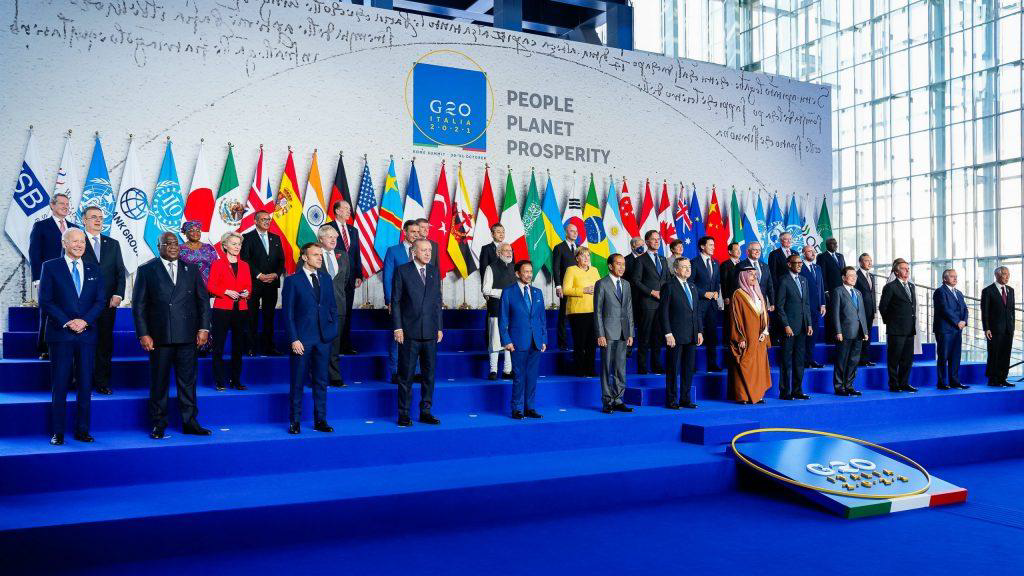
The G20 Summit marks a defining moment in global governance, not merely as a platform for economic cooperation but as a signal of shifting power dynamics that now demand inclusivity, representation, and regional voice. For Sub-Saharan Africa, this summit carries profound implications, a call to reposition itself strategically in the evolving multilateral order.


Beyond Symbolism: Africa’s Entry into the G20
The African Union’s inclusion as a permanent member of the G20 was celebrated across the continent. Yet, the real test lies in translating that symbolic milestone into tangible policy influence. Representation alone is insufficient; Africa must leverage its seat to shape global financial architecture, advocate for equitable trade reforms, and push for climate financing mechanisms that reflect the continent’s vulnerabilities and aspirations.
Zambia’s Strategic Position
Zambia, as a stable democracy and a regional voice for peace and sustainable development, is uniquely positioned to influence how Sub-Saharan Africa engages with the G20 agenda. From debt restructuring and green transitions to digital inclusion, Zambia’s policy leadership can serve as a model of pragmatic diplomacy that aligns national interests with continental priorities.
From Global Commitments to Local Realities
While G20 communiqués often emphasize inclusive growth, the translation of these commitments into development impact remains uneven. African nations must therefore build stronger coordination mechanisms to ensure continental coherence in negotiations and policy follow-through. The G20 should not remain a forum where Africa reacts, it must become one where Africa sets the tone on issues that shape its future.
A Call for Strategic African Diplomacy
Africa’s participation in the G20 must be underpinned by strategic diplomacy, informed, assertive, and visionary. Sub-Saharan African states should jointly push for reforms in global financial systems, fairer taxation of multinational corporations, and meaningful debt relief frameworks that enable real economic transformation. The region’s demographic dividend,
natural resources, and innovation potential should be reframed as global assets, not vulnerabilities.
Ultimately, Africa’s engagement with the G20 is a test of leadership, coordination, and policy vision. The continent stands at a historical inflection point: to move from being a policy recipient to becoming a policy influencer.
This is Africa’s moment to lead with purpose, to align diplomacy with development, and representation with results.